Stepping into a live teen patti table online feels less like pulling a lever and more like sitting down at a card table with a dealer who actually talks back. For Australians chasing that live-card buzz, the appeal is simple: real cards, real time, and real money on the line without leaving the couch. The trick is knowing how the lobby, the bets, and the payouts actually work before you commit a single dollar. I have spent twenty years modelling slot volatility and designing skill-gaming mechanics, and I treat this the same way I treat any live table: understand the rules, watch the flow, then decide where your money belongs.
Finding the Table and Reading the Lobby
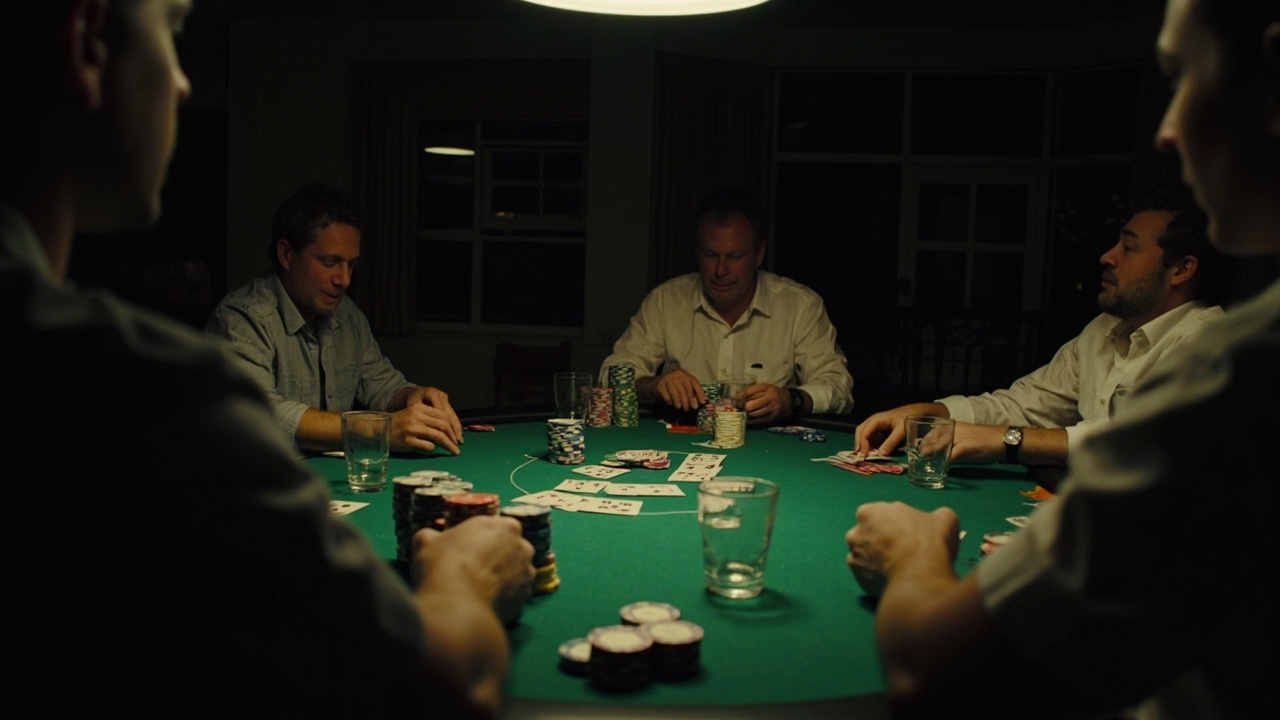
The first thing you notice when you land on a live teen patti floor is that it is not a wall of identical tables. A decent lobby separates tables by stake band, dealer language, and sometimes by variant like Muflis or Best of Four, so you are not hunting through a sea of roulette cams to find a three-card showdown. Search bars and filter chips matter here, because if you are after a slow-paced game with a Aus$25 minimum, you want that surfaced quickly rather than scrolling past high-limit rooms that eat your balance before the first deal. A live casino setup for Australian players usually lines up the teen patti tables beside the broader live offering, which means you can move from a card table to a live blackjack pit without changing rooms or re-verifying your account. What I look for as a designer is a lobby that tells you the table state before you click: seats open, current pot size, and the next shuffle timer, because that is the difference between a room that feels organised and one that feels like a busy arvo at a country pub with no signs on the doors.
The table mix itself tends to run a tight range rather than a sprawling catalog. You will usually see a handful of live teen patti tables anchored by a couple of providers who specialise in streamed card games, then the rest of the floor carries the slots and broader table content. That is where a practical comparison helps, because the stake ladder and side-game options vary more than the core rules do. buffalo pokie machine
| Table type | Typical min stake | Best for | Note |
|---|---|---|---|
| Standard teen patti | Aus$1-Aus$5 | Learning the flow | Straight three-card showdown, no side bets |
| Muflis / low-ball variant | Aus$2-Aus$10 | Players who like reversed rankings | Ranking order flips, so prior habits do not carry over |
| High-limit live room | Aus$25-Aus$100+ | Steady bankroll, slower pace | Fewer seats, dealer often speaks to the room |
When I am judging a lobby as a mathematician, I am less interested in how many slots are stacked above the card section and more interested in whether the search actually returns what I asked for. If I type “teen patti” and the results mix in unrelated live tables, that is a friction point that costs players time and, worse, pushes them toward tables they did not intend to join. A clean lobby will let you filter by stake, by language, and by variant, and it will show you the next available seat without making you load five different rooms first. That kind of organisation is what separates a floor you can actually use from one you just browse.
How the Hand Actually Plays Out
Once you are seated, the rhythm is what catches people who are used to spinning reels. The dealer deals three cards face down, everyone puts in their ante, and then the action moves through a small set of betting rounds that feel more like a conversation than a countdown. You can check, call, raise, or fold, and the “seen” and “blind” distinction changes the price of staying in, which is the part that trips up new players who assume all hands cost the same. My background in slot modelling means I think about this in terms of expected exposure per round: a blind player pays less to stay in but has less information, while a seen player pays more and gets to compare cards before committing more chips. That is not a trick, it is just the trade-off baked into the rules, and knowing it changes how you size your bets.
The dealer’s role in a live stream is not just to shuffle and deal, it is to pace the room and call the action so the chat and the bets stay in step. A good live dealer will announce who is seen, who is blind, and what the current call is, which matters because the rules can feel soft until you hear them called out in real time. If you are playing for real money, the pace is also where your bankroll discipline gets tested, because a string of short rounds can quietly eat a balance that looked fine at the start of the session. I always tell people to treat the first few hands as a reading exercise rather than a profit attempt: watch how the blind and seen costs add up, note how often the pot grows before a showdown, and decide whether the table’s rhythm matches the way you actually want to spend your money. That is the same kind of pre-flight check I run on any new game before I recommend it to anyone, because the rules on paper and the rules in motion are not always the same thing.
Side bets and variants do appear on some tables, and they are the part that can tilt a session if you treat them like free extras. A Muflis table, for example, flips the ranking order so the lowest valid hand wins, which sounds like a small change until you realise your usual “play the pair” instincts are now working against you. Other rooms add a bonus payout for specific three-card combinations, and those payouts need to be read carefully because the house edge on a side bet is rarely the same as the main game. If you want a clearer picture of what is on offer and how the live rooms are set up for Australian players, the breakdown in this live casino overview is worth a look before you commit to a table. The point is not to avoid the extras entirely, it is to know exactly what you are paying for and what you are hoping to get back, because a side bet that looks like a fun throw-in can quietly become the most expensive part of your session. Live Casino Australia Teen Patti Options
Money, Limits, and the Practical Bits
Real money play on a live teen patti table comes down to three things working together: the deposit path, the stake ladder, and the way withdrawals are handled when you decide to stop. A room built for Australian players will usually take AUD directly, which matters because converting back and forth every session is the kind of friction that turns a tidy bankroll plan into a guessing game. Registration is typically straightforward, but the verification step is not something to treat as a formality, because the same identity checks that let you cash out are the ones that keep the room from freezing your account later. I have seen enough payment flows in my time designing games to know that a clean deposit is not the same as a clean withdrawal, so the question worth asking before your first bet is not “can I put money in” but “how does money come back out when I am done.”
Bonuses and loyalty mechanics can be useful, but only if you read the conditions the way you would read a paytable before playing a new slot. A deposit match sounds generous until you notice the wagering requirement, the game weighting, and any cap on live table contributions, which is where a bonus can stop feeling like a bonus and start feeling like a timer. A well-run room will show you the bonus terms in plain language and will let you track your loyalty points or tier progress without making you dig through three different menus. Payments themselves should be predictable: clear minimums, clear maximums, and a visible history so you are not left wondering whether a withdrawal is stuck or just processing. If you want to compare how a live room is positioned alongside the broader slot and table offering, the comparison over on the buffalo pokie machine site lays out the kind of floor layout and payment setup that Australian players tend to look for. That kind of context helps because it reminds you that a teen patti table does not exist in a vacuum, it sits inside a room with its own rules, its own currencies, and its own pace, and the more those pieces line up, the less time you spend fighting the platform and the more time you spend actually playing.
Support and mobile access are the quiet parts that matter most once real money is involved. A room that works on mobile is not just one that fits on a phone screen, it is one where the bet buttons, the chat, and the dealer video stay usable when you are not sitting at a desk. Live teen patti can be a fast, chatty game, so if the mobile interface lags or the bet controls are cramped, you are not just annoyed, you are more likely to make a mistake you would not make on a bigger screen. Support should be reachable without a scavenger hunt, and it should be able to answer practical questions about table limits, verification, and withdrawal timing without sending you in circles. I judge that part the same way I judge any live product: if the support cannot explain the rules of the room clearly, it is unlikely to handle a payment question cleanly either. No one should expect guaranteed wins or risk-free play, and anyone implying otherwise is selling something that does not exist, but you can still choose a room where the rules are clear, the limits are visible, and the money side behaves the way you expect it to.
Playing live teen patti for real money is less about finding a magic system and more about picking a room where the rules, the stakes, and the money flow make sense before you sit down. Treat the first few hands as a reading exercise, keep your bankroll discipline tighter than your excitement, and do not let a bonus term or a side bet quietly rewrite the way you want to play. If the lobby is organised, the dealer pace feels fair, and the withdrawal path is clear, you have a room worth returning to; if not, there is no shortage of other tables and other rooms to try before you commit serious money.